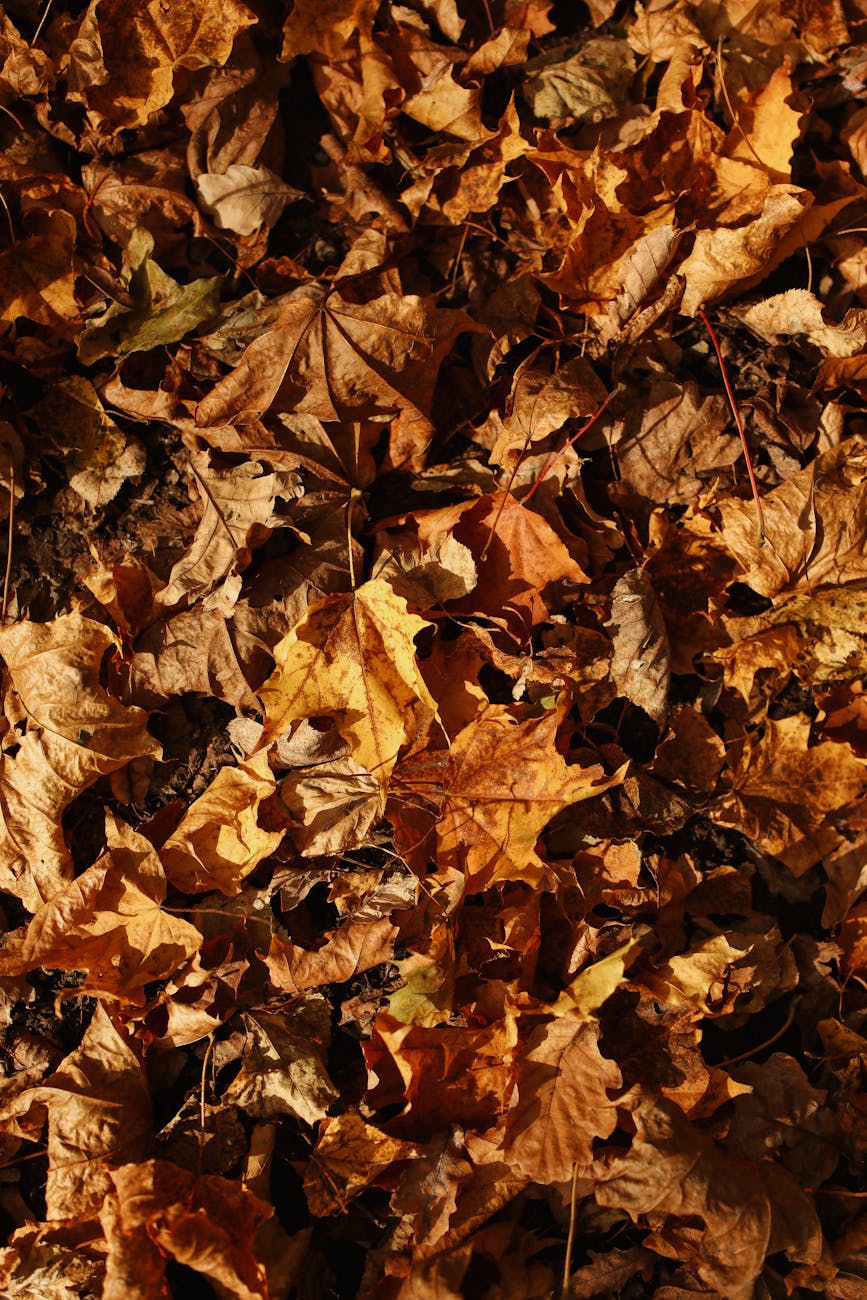


Mabon blessings! The autumn equinox, a time when day and night are nearly equal in length, occurs Sunday September 22nd at 8:44 AM (eastern), and marks a shift when the Sun enters Libra, the sign of balance and harmony. It is a time to reflect, to restore equilibrium, and to focus on our relationships. Ruled by Venus, Libra’s energy emphasizes love, beauty, and peace. This equinox initiates a season of transition, encouraging inner balance and preparation for the months ahead.
The autumn equinox holds a special place in the folklore of many different cultures. This event, which typically occurs around September 22nd or 23rd in the Northern Hemisphere, marks the transition from the warmth of summer to the chill of winter. It is a moment of balance, reflection, and preparation, deeply embedded in the cultural traditions and myths of numerous diverse regions.
In ancient Mesoamerican cultures, such as the Maya and Aztec, the equinoxes were significant celestial events. At the pyramid of El Castillo in Chichen Itza, Mexico, during the autumn equinox, a shadow known as the “Serpent of Light” appears to descend the steps of the pyramid, symbolizing the return of the feathered serpent god, Kukulkan. This event was a time of ritual and celebration, marking the change of seasons and the alignment of earthly and cosmic energies. Similarly, the Aztecs held ceremonies to honor the sun and the gods, recognizing the equinox as a time of balance and renewal.
In ancient Rome, the equinox was associated with the worship of Pomona, the goddess of fruit and orchards, and her husband Vertumnus, the god of seasons and change. The equinox marked the time to harvest fruits and prepare for the winter months. The Romans held feasts and made offerings to these deities, seeking their favor to ensure a bountiful harvest and a prosperous year ahead. The equinox was a time to celebrate the fruits of labor and to honor the gods who provided for the people.
In ancient Greece, the equinox was tied to the myth of Persephone, the daughter of Demeter, goddess of the harvest. According to the myth, Persephone was abducted by Hades and taken to the underworld. Her descent into the underworld was said to cause Demeter’s sorrow, leading to the decline of vegetation and the onset of winter. The equinox, therefore, symbolized the time when Persephone begins her journey back to the underworld, and the earth starts to prepare for the darker half of the year.
In Slavic traditions, the autumn equinox is often linked with the festival of Dozhinki, a harvest celebration where communities came together to honor the earth’s abundance. The last sheaf of grain, known as the “Didukh,” was considered sacred and was often decorated and brought into homes as a symbol of prosperity and protection for the coming winter. This sheaf was sometimes kept until the next planting season, symbolizing continuity and the cyclical nature of life.
In much of Europe, the autumn equinox is closely associated with harvest festivals. Known in some traditions as Mabon, this period was a time to give thanks for the bounty of the earth and to prepare for the coming winter. The Celtic people, for instance, celebrated the equinox as a time of gratitude and balance. They honored the changing season with feasts, offerings to the gods, and gatherings that emphasized community and the sharing of resources.
This year I look forward to time reflecting, as well as celebrating the abundance of the season! How do you plan to celebrate? Share in the comments! 🍁

Did you enjoy this bit of folklore? Read more…


Something went wrong. Please refresh the page and/or try again.
