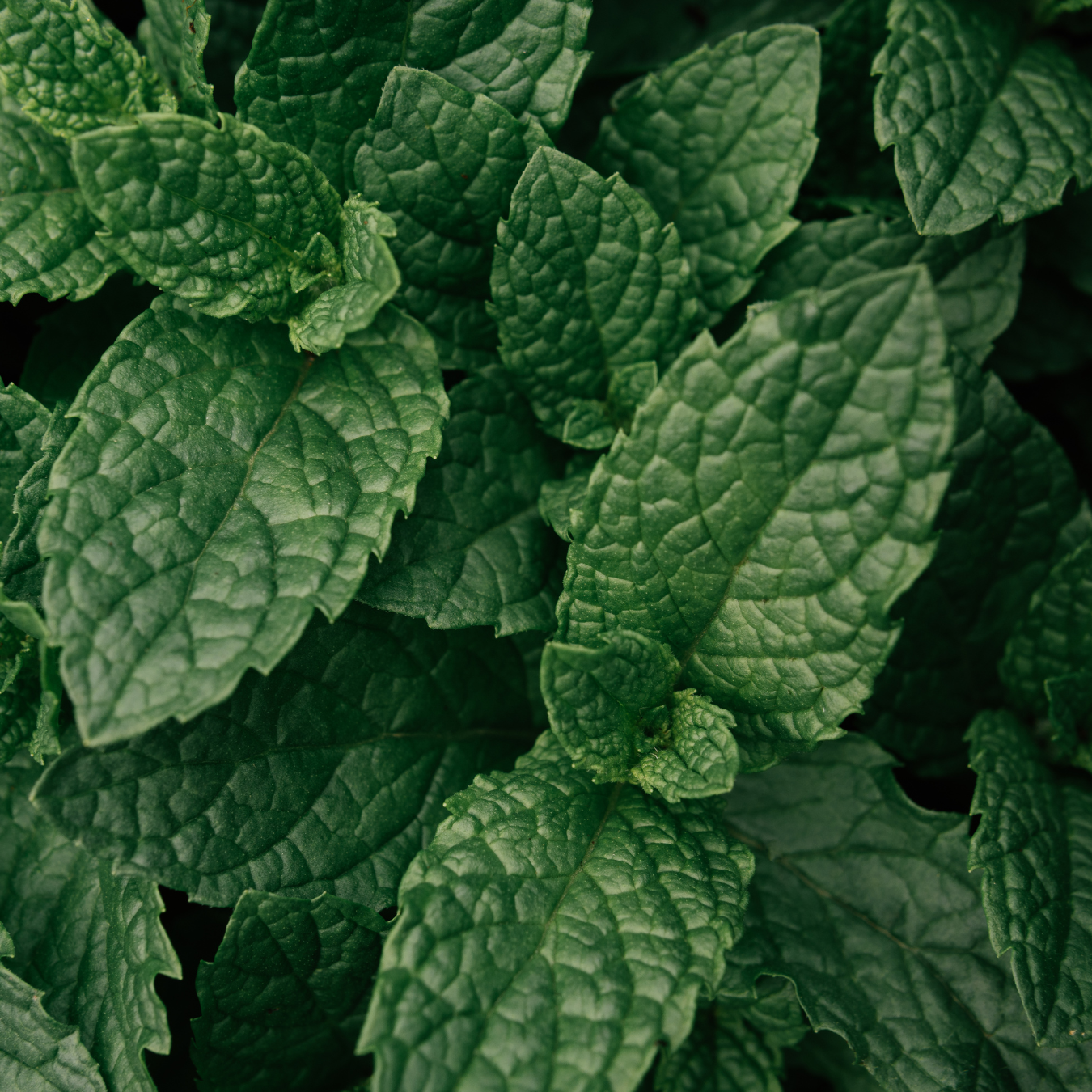


It’s been some time since my last botanical post, and when I sat down to write, I instantly thought of the herb that’s currently ranking highest in my personal practice: peppermint. It may sound mundane, but I’ve been on a peppermint kick for months, and it really works wonders!
From alleviating digestive discomfort to invigorating the senses, this versatile herb has long been cherished for its myriad health benefits. Peppermint (Mentha piperita) is a hybrid mint, a cross between watermint and spearmint, known for its high menthol content and distinctive flavor. Native to Europe and the Middle East, peppermint has been cultivated for centuries for culinary, medicinal, and aromatic purposes. Its invigorating scent and cooling properties make it a popular ingredient in everything from teas and tinctures to cosmetics and confections.
The healing properties of peppermint have been recognized since ancient times. Egyptian, Greek, and Roman cultures valued peppermint for its ability to soothe ailments ranging from indigestion to headaches. In traditional Chinese medicine and Ayurveda, peppermint was prized for its cooling and detoxifying effects on the body. Herbalists throughout the ages have used peppermint to treat digestive disorders, respiratory ailments, and even psychological conditions.
Peppermint owes its therapeutic properties to its rich chemical composition, which includes menthol, menthone, and various antioxidants. Menthol, in particular, is responsible for peppermint’s cooling sensation and analgesic effects. Studies have shown that menthol acts on receptors in the body to relieve pain, reduce inflammation, and relax muscles. Other compounds in peppermint, such as rosmarinic acid and flavonoids, contribute to its antioxidant and antimicrobial properties.
One of peppermint’s most well-known uses is in the treatment of digestive issues. Peppermint oil contains menthol, which relaxes the muscles of the gastrointestinal tract, easing symptoms of indigestion, bloating, and gas. Clinical studies have demonstrated the effectiveness of peppermint oil in alleviating irritable bowel syndrome (IBS) symptoms, including abdominal pain and discomfort. Peppermint tea is also a popular home remedy for soothing upset stomachs and promoting healthy digestion.
Beyond its physical benefits, peppermint is celebrated for its ability to invigorate the mind and enhance cognitive function. The aroma of peppermint has been shown to increase alertness, improve memory, and reduce mental fatigue. Inhaling peppermint essential oil or sipping peppermint tea can provide a quick pick-me-up during moments of sluggishness or mental fog. Peppermint’s stimulating properties make it a valuable ally for staying focused and productive throughout the day (why I love it for my mid-afternoon cup of tea!).
There are countless ways to incorporate peppermint into your wellness routine, from brewing a soothing cup of peppermint tea to using peppermint-infused skincare products to refresh and revitalize tired skin. Find peppermint in…

READ MORE…
- Cunningham, Scott. Cunningham’s Encyclopedia of Magical Herbs. Llewellyn, 2020. [SHOP NOW]
- Cunningham, Scott. Magical Herbalism. Llewellyn, 2021. [SHOP NOW]
- Lust, John. The Herb Book. Bantam, 1974.
These statements have not been evaluated by the Food and Drug Administration. This information is not intended to diagnose, treat, cure, or prevent any disease.
