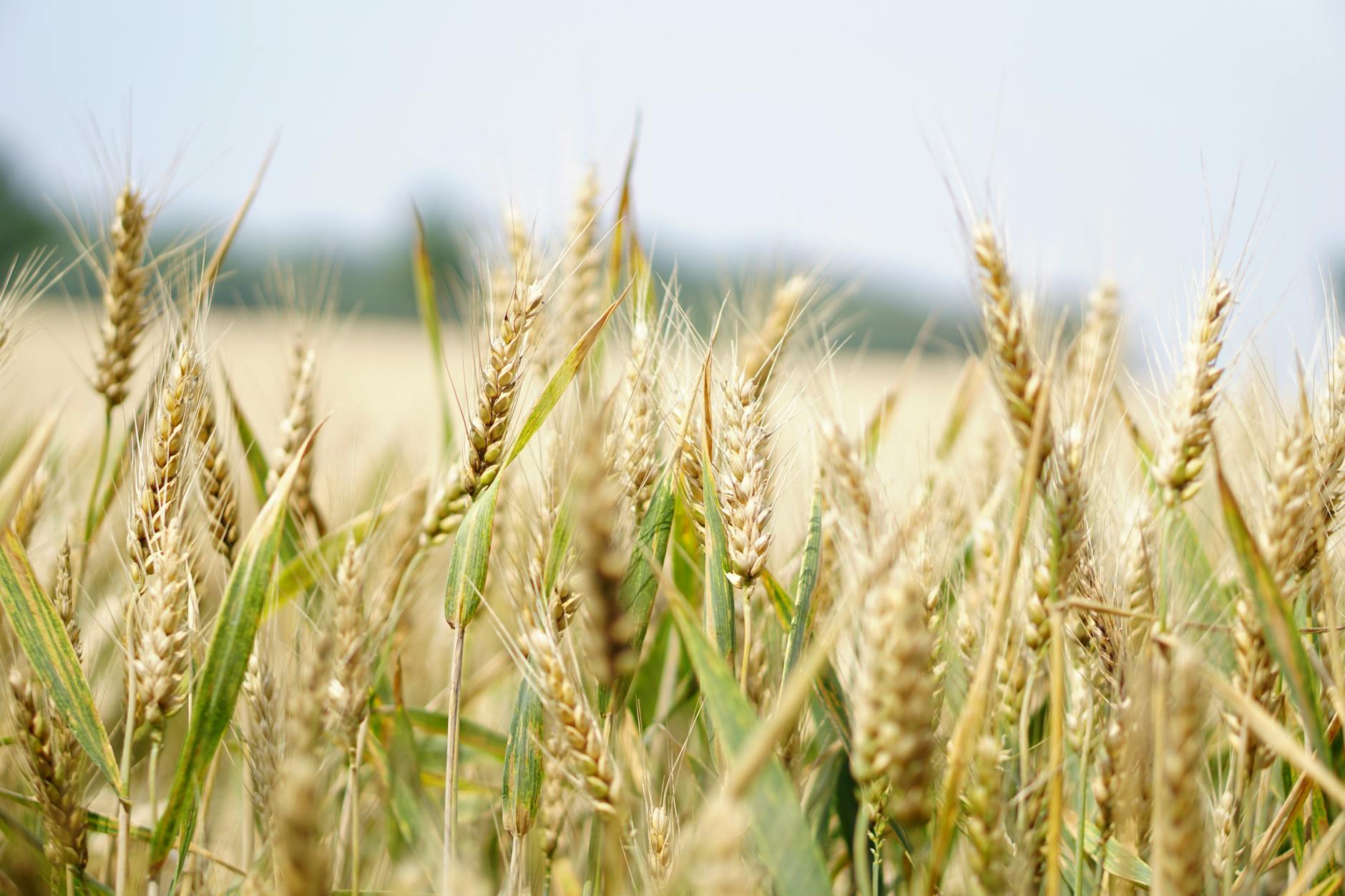


Four years ago in the summer of 2020 (in what now feels like another lifetime) I shared a bit about my personal Lughnasa celebrations, including a simple tarot spread for the holiday. (Find it here!) I love the the quarter and cross-quarter holidays— these periods of reflection and celebration that are so tied to the land and our humanity.
Lughnasa (also known as Lughnasadh, Lúnasa, or Lammas), typically celebrated on August 1, is one of the Gaelic cross-quarter festivals (including Imbolc, Beltaine, and Samhain), marking the mid-points between Equinoxes and Solstices. The end of summer and the first of the harvest season celebrations, Lughnasa traditionally involved festivities including bonfires and celebrations of abundance, as well as the weaving of wheat poppets and pilgrimages to holy wells.
The name Lughnasa is derived from the god Lugh, a prominent figure in Irish mythology known for his skills in many arts and crafts. The festival was established by Lugh to honor his foster mother, Tailtiu, who is said to have died from exhaustion after clearing the plains of Ireland for agriculture. In honor of her sacrifice, Lugh decreed that games and festivities be held annually, thus initiating the tradition of Lughnasa.
Lugh, often referred to as Lugh of the Long Arm or Lugh Lámhfhada, is a central figure in the folklore surrounding Lughnasa. He is depicted as a god of light, skill, and craftsmanship, possessing many talents in arts and combat. The myth of Lugh and Tailtiu highlights themes of sacrifice, fertility, and the importance of agriculture. Tailtiu’s death and subsequent honoring through the festival symbolize the cycle of life and death, as well as the communal effort required for successful harvests.
One of the most famous myths associated with Lughnasa is the legend of Lugh and the Fir Bolg, an ancient people who inhabited Ireland before the arrival of the Tuatha Dé Danann, the pantheon of gods to which Lugh belonged. According to the myth, Lugh led the Tuatha Dé Danann in a battle against the Fir Bolg, ultimately securing the land for his people, reflecting the themes of overcoming hardship that are often celebrated during Lughnasa.
Historically, Lughnasa was a time of community gatherings, market fairs, and athletic contests. It was an opportunity for people to come together, celebrate the fruits of their labor, and prepare for the upcoming autumn months. This period was crucial for the agrarian society, as it marked the first harvest of the year, particularly focusing on grains like wheat, barley, and oats.
Lughnasa rituals and traditions have evolved over time, but many core practices remain rooted in the festival’s origins. One of the most significant rituals is the offering of the first fruits. The first sheaf of grain was often cut and offered to Lugh as a symbol of gratitude for the bountiful harvest. This act of giving thanks was believed to ensure continued fertility and abundance for the community.
Feasting and communal meals were central to Lughnasa celebrations. The festival was an opportunity to enjoy the first products of the harvest, including bread made from the newly harvested grain. This bread, often called “Lammas bread” (from the Old English “hlaf-mas,” meaning “loaf mass”), was sometimes baked in the shape of a wheat sheaf and shared among the community.
In addition to games and feasting, Lughnasa was a time for fairs and markets. These gatherings allowed people to trade goods, livestock, and produce, as well as to socialize and form alliances. Craftsmanship was also celebrated, with artisans showcasing their skills in weaving, pottery, and other traditional crafts.
While Lughnasa is primarily associated with Ireland, similar harvest festivals were celebrated in other Celtic regions, including Scotland, Wales, and the Isle of Man. Each region had its own unique customs and variations of the festival, reflecting local agricultural practices and cultural influences.
In Scotland, the festival was known as Lùnastal or Lùnasdal and included many of the same elements as the Irish Lughnasa, such as games, fairs, and feasting. One distinctive Scottish tradition was the “clach cuid fir,” or “stone of the first man,” where a ceremonial stone was lifted and carried as part of the festivities, symbolizing strength and endurance.
In Wales, the festival was called Gwyl Awst or Calan Awst and similarly marked the beginning of the harvest season. Welsh traditions included the cutting of the first sheaf of grain, communal feasting, and various games and competitions.
The Isle of Man, known for its rich Celtic heritage, celebrated Lughnasa as Laa Luanistyn. Manx customs included the gathering of bilberries, which were considered a delicacy and a symbol of the season, as well as communal feasts and dances.
Meditating then on themes of gratitude, abundance, and the cyclical nature of life, I look forward to celebrating this holiday, honoring both my ties to my ancestors and an ancient practice that speaks to our deep connection to nature.

Did you enjoy this feature? Check out other entries in the Folklore Files…


Something went wrong. Please refresh the page and/or try again.
